Early Life and Background
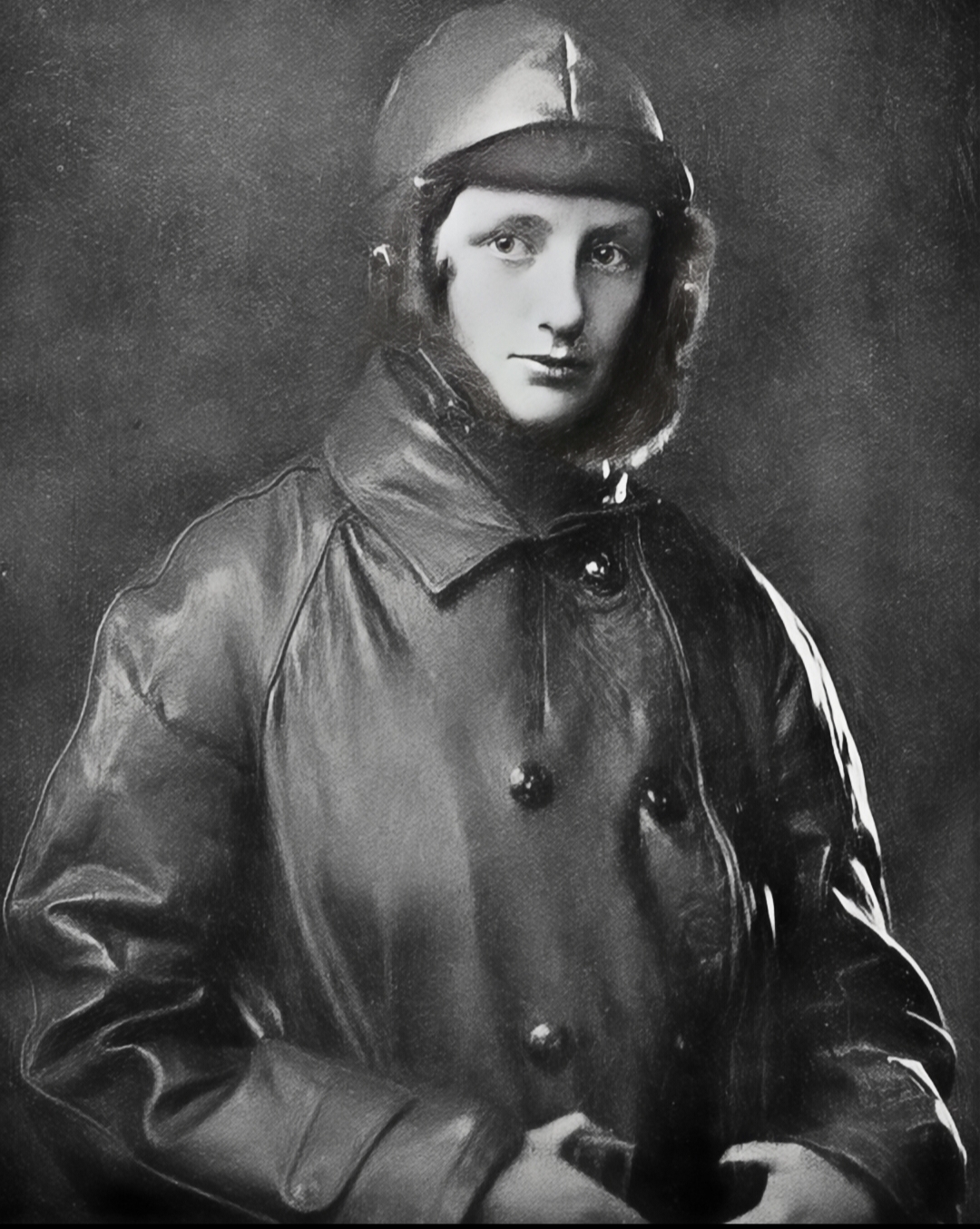
Mary Lucy Aroha Clifford was born on 23 August 1908 in Wellington, New Zealand. She was the daughter of Walter Lovelace Clifford 4th Baronet Clifford,and Catherine Lambert Clifford (née Bath). Her father later succeeded to the Clifford baronetcy. As a youth, Clifford spent some of her childhood in England, where she attended Ascot Convent, before her family returned to New Zealand and settled in Fendalton, Christchurch. There she continued her education at St Mary’s Convent. During her teenage years, she was an avid mountaineer and skier and often pursued outdoor activities, including hikes in the Aoraki/Mount Cook region.
Aviation Career and Achievements
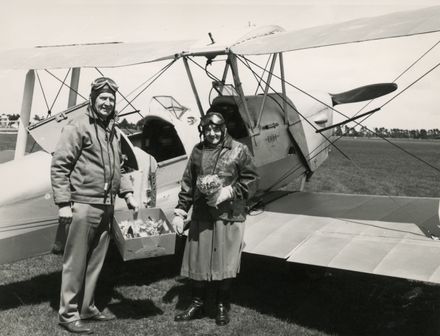
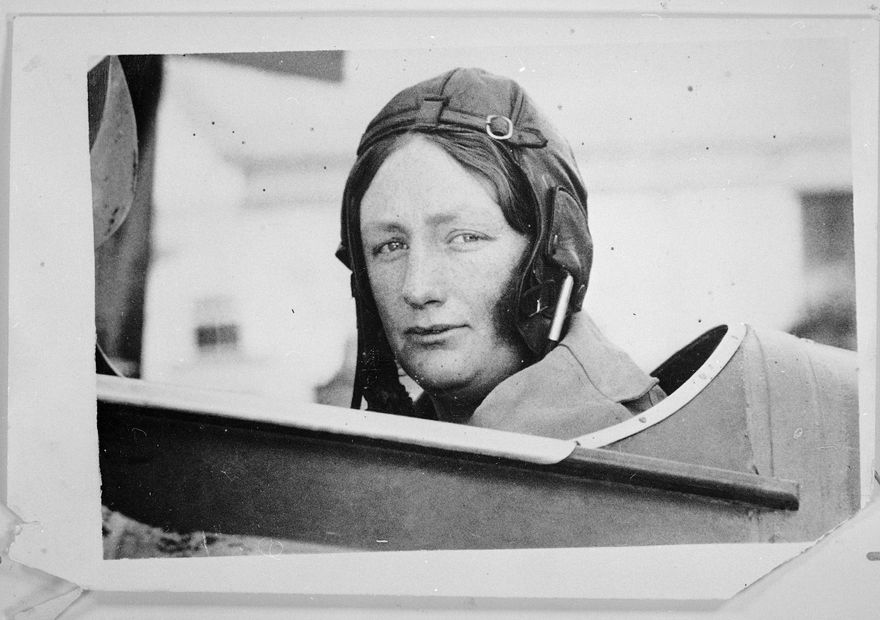
Clifford developed a passion for flying in the late 1920s. She trained at the newly established Canterbury Aero Club, where she became the first woman pilot accepted as a pupil by the club, completing her pilot training in 1928. She received her “A” pilot’s licence— the Royal Aero Club’s certification for private pilots—on 5 August 1929, earning the distinction as the first woman in New Zealand to obtain such a licence through an aero club
Throughout 1930, she participated in multiple aviation events across New Zealand. At the Blenheim Air Pageant at Woodbourne Aerodrome in February, she won the Jackson Cup for pilots’ landing and the Zero Hour competition—competing successfully against male pilots.
Significantly, on 8 May 1930, Clifford became the first woman pilot in New Zealand to fly across Cook Strait, a pioneering achievement in New Zealand aviation history. That same year she appeared at several other regional aero club pageants, including at Hastings, Hawera, Auckland, and Wigram.
Training and Experience Abroad
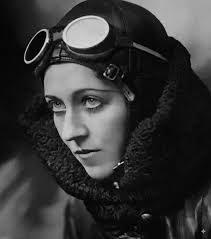
Later in 1930, Clifford traveled to England to advance her aviation skills. She joined the London Aero Club, flew from Stag Lane Aerodrome, and completed a three-month course in aircraft mechanics at the De Havilland factory, becoming a qualified ground engineer.
Upon her return to New Zealand in March 1931, she brought with her a de Havilland Puss Moth aircraft she had purchased in England.
Personal Life and Later Years
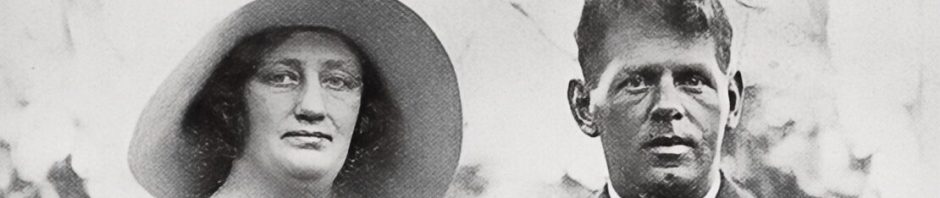
On 23 September 1931, Clifford married Alf Brustad, a Norwegian mountain guide based at The Hermitage Hotel in Mount Cook village. The couple lived in Christchurch before moving to a farm in Waiau in early 1933.
Death at Amuri Hospital
Tragically, Clifford died on 30 November 1933 in Amuri Hospital, located in Rotherham, North Canterbury. She died of pneumonia at the age of 25, just two days after giving birth to her son.
Amuri Hospital served rural North Canterbury communities in the early 20th century, providing maternity care and emergency services at a time when medical infrastructure in remote areas was sparse. Clifford’s death there ties her story to both New Zealand aviation history and to the region’s broader social and medical history.
Tragedy
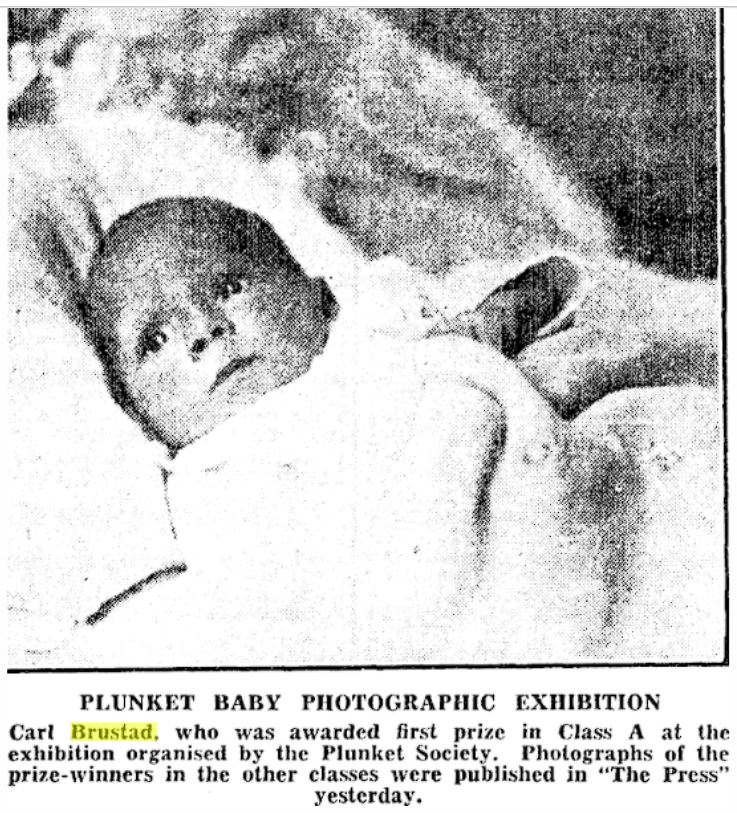
Unfortunately her son, Carl Walter Brustad born on 27 November 1933, then he died on 12 February 1936, in Waiau, drowned at the age of two on the family farm.
Legacy
Aroha Clifford’s career, though brief, was marked by firsts and milestones for women in New Zealand aviation. Her achievements as a pilot and as a qualified ground engineer at a time when few women pursued such careers remain notable in the history of New Zealand flight and female aviation pioneers.
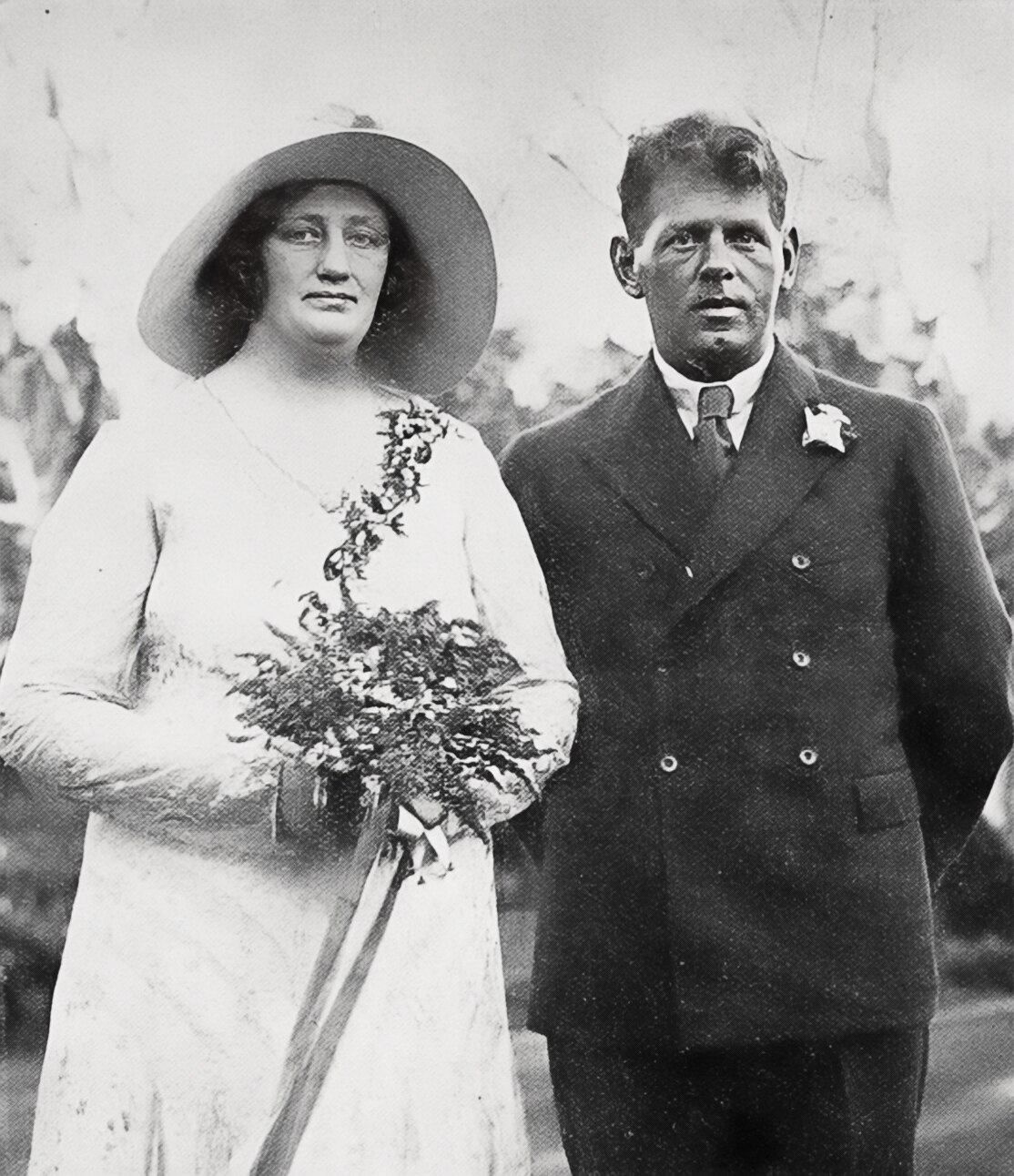
Wedding photograph of Aroha Clifford (left), pioneer female aviator in New Zealand, and Alf Brustad, Norwegian-born mountaineer and mountain guide, married in Fendalton Christchurch, on 23 September 1931
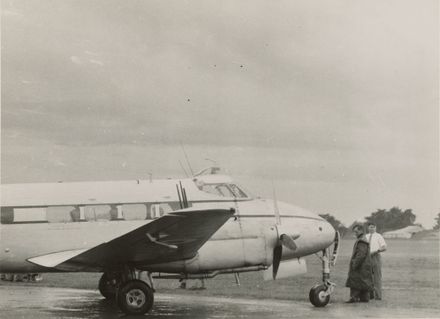
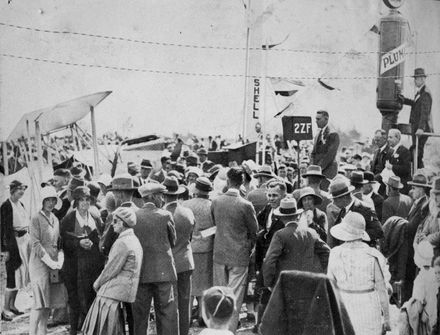
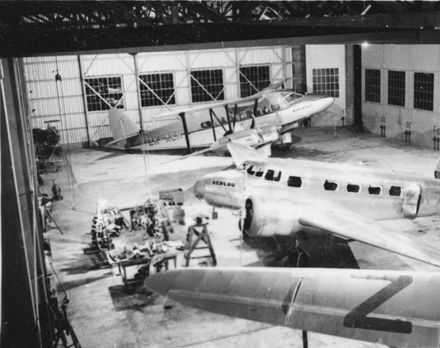
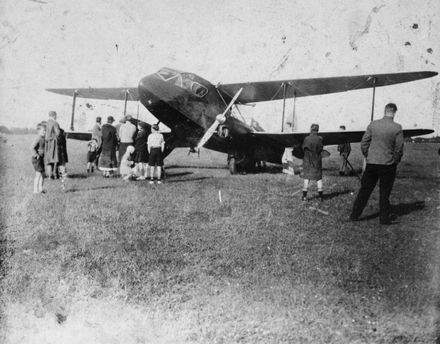
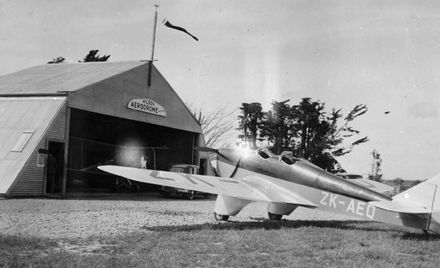
Silver Wings: New Zealand Women Aviators, which documents early female pilots in New Zealand.
 Amuri Manor – Boutique Country Accommodation | Historic 1922 Hospital, North Canterbury