
Makutu Moana — The White-faced Grey Heron at Amuri Manor
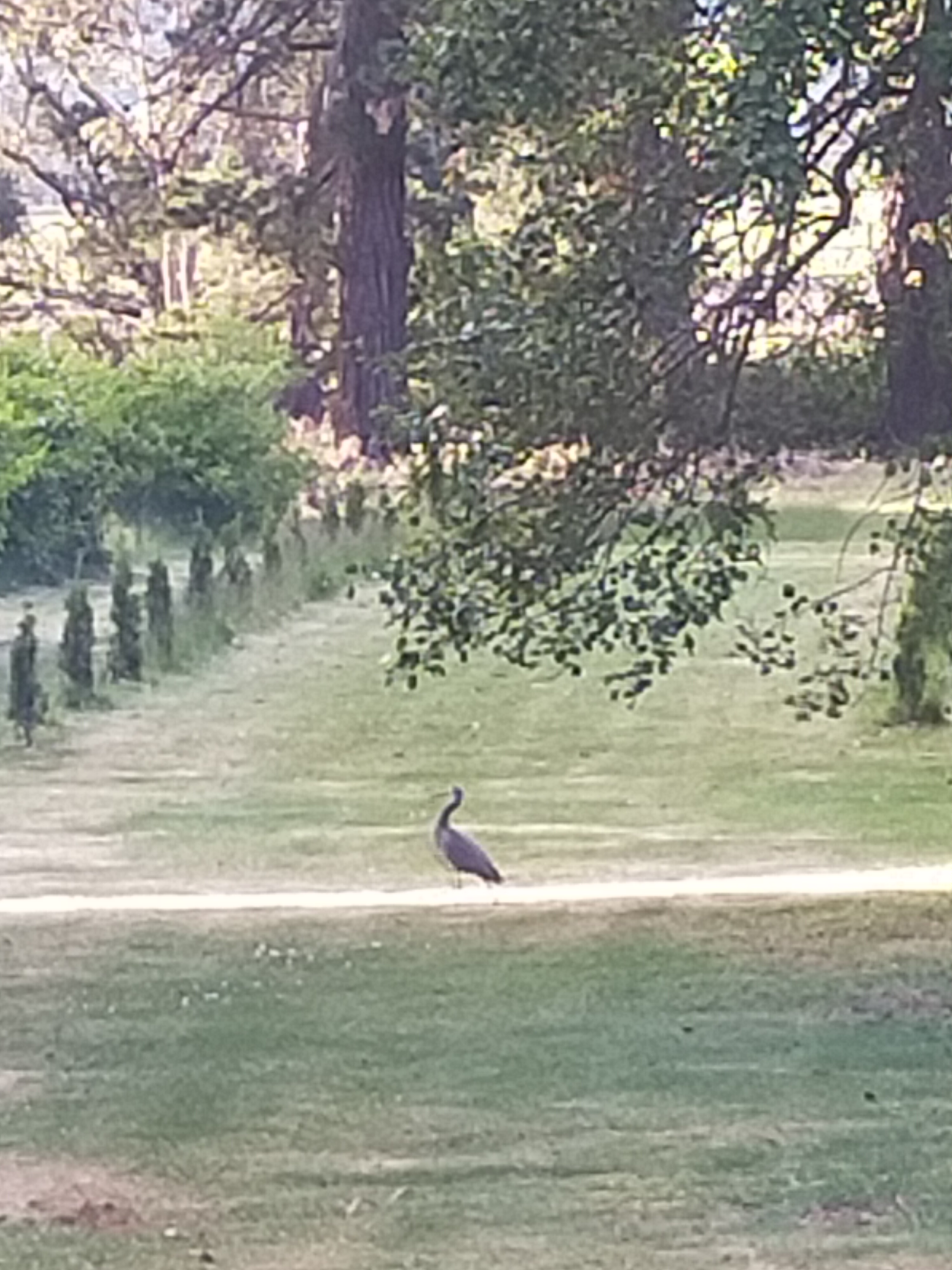
Apologies for high zoom photos from my phone :)
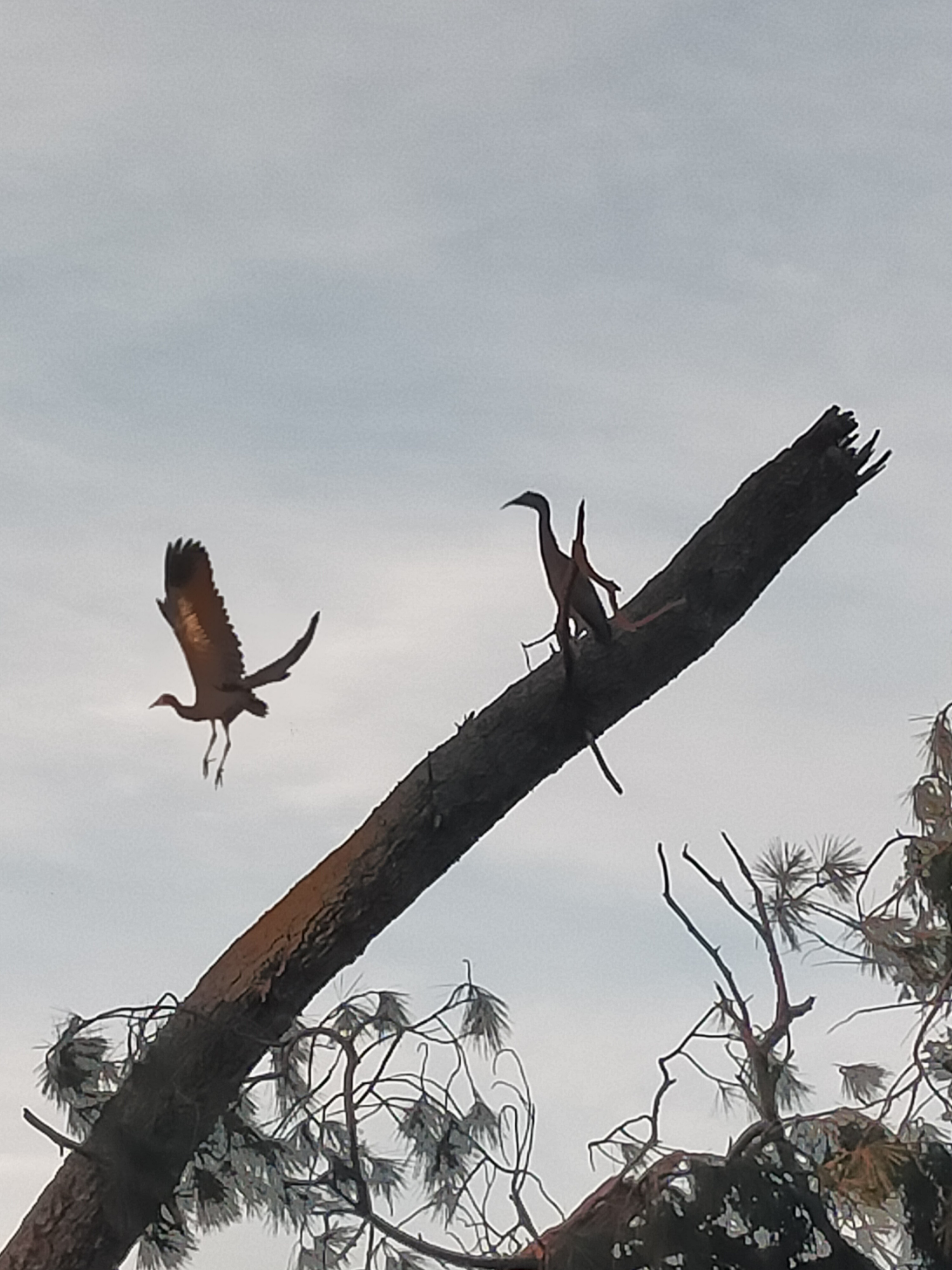
The stately herons that grace the grounds of Amuri Manor belong to a group of birds long associated with wetlands, quiet waterways, and patience in the art of hunting. Known in te reo Māori broadly within the matuku family of herons and bitterns, these birds carry both ecological and cultural resonance. The grey heron (Ardea cinerea), sometimes loosely connected with the name makutu moana in local usage, is an elegant and fascinating wetland hunter whose presence lends a sense of tranquillity and wild authenticity to the landscape.
A Bird of Poise and Presence
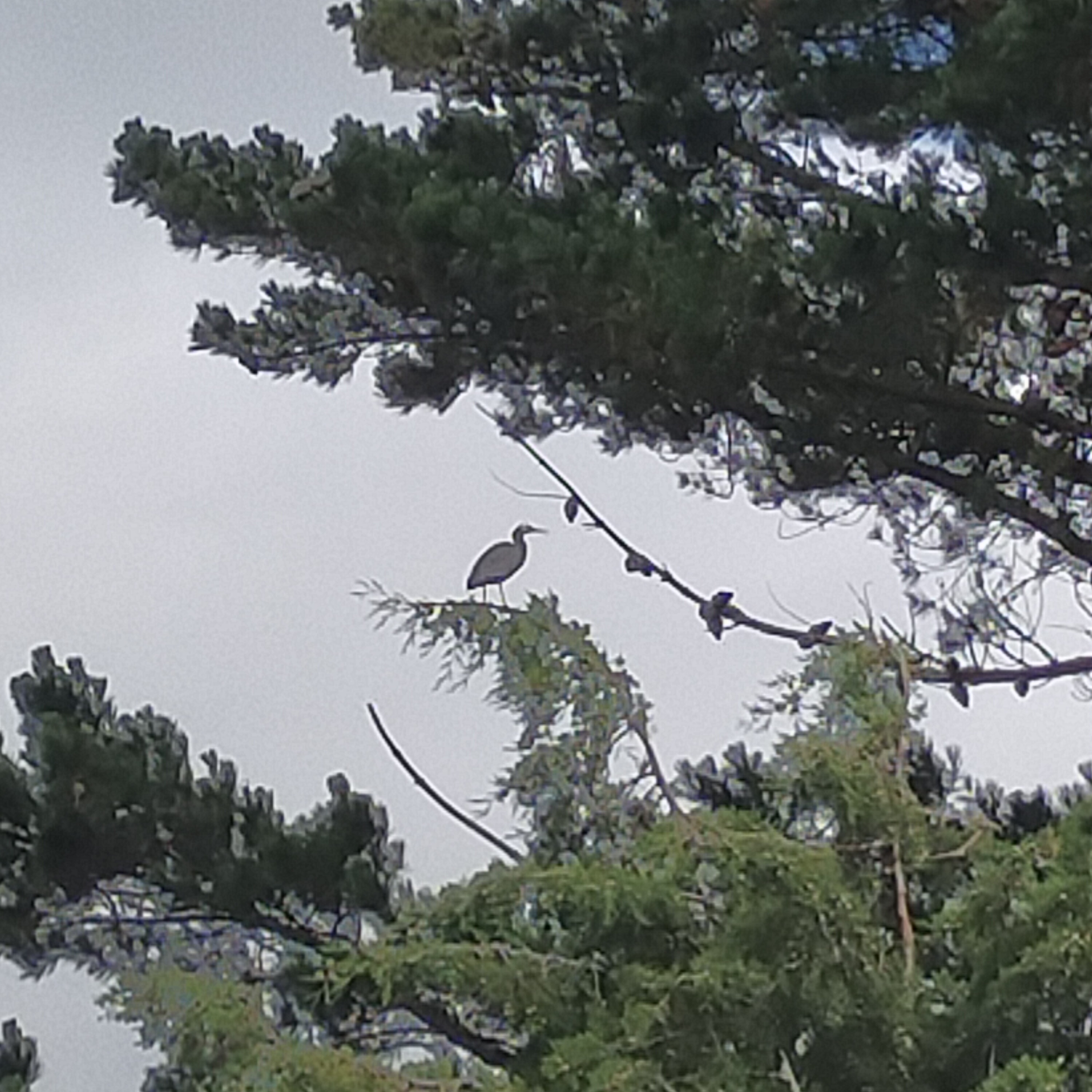
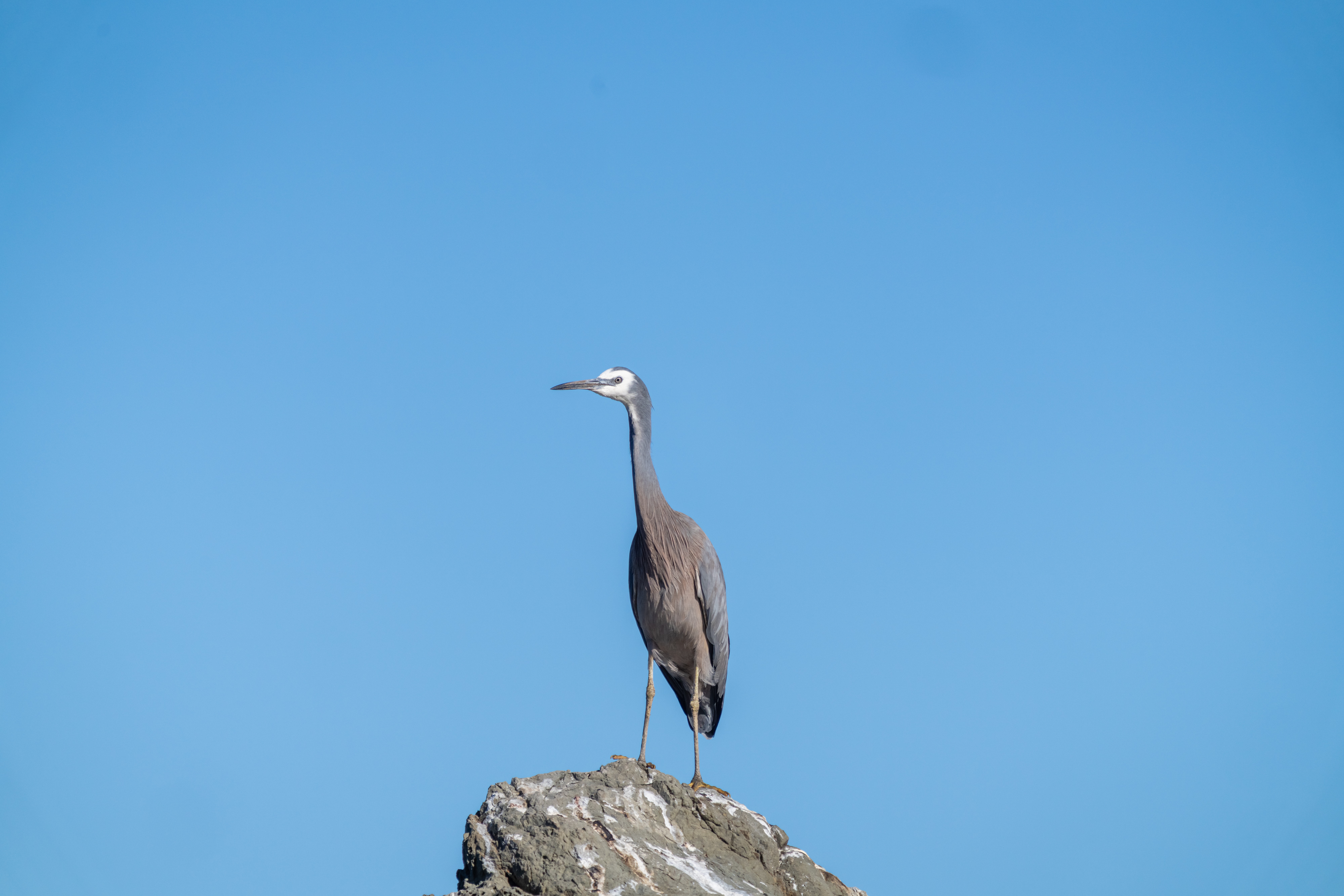
The grey heron is a large, long-legged wading bird, typically reaching around 95 cm in height and weighing about 1.4 kg. Its appearance is striking and unmistakable. The bird has a dark grey back, pale grey underparts, and a white head and neck accented with black streaks and a distinctive black crest. Its long yellow bill functions as a precise hunting spear, while its extended legs allow it to wade effortlessly through shallow water.
When in flight, the grey heron is equally impressive. Unlike cranes and storks, which fly with their necks outstretched, herons fold their necks into an elegant S-shape, trailing their long legs behind them as they glide or beat their wings slowly across the sky.
Visitors often remark on the bird’s calm, statuesque stance. Herons frequently stand motionless for long periods, sometimes balancing on one leg while surveying the water’s surface — a posture that highlights their extraordinary patience and energy efficiency.
Masters of Wetland Hunting
Grey herons are among the most efficient predators in aquatic ecosystems. Their preferred habitats include rivers, lakes, lagoons, estuaries, marshes, and even farm dams or ornamental ponds, making properties such as Amuri Manor particularly attractive if reliable water sources and aquatic life are present.
Their hunting method is both simple and highly effective. Remaining almost perfectly still, the heron waits for prey to come within striking distance before lunging forward with its bill to spear or grasp its meal. Fish, especially eels, form the bulk of their diet, but they are opportunistic feeders and will also consume insects, crustaceans, amphibians, and even small birds or mammals when available.
This quiet, contemplative style of feeding contributes to the serene character often associated with herons and makes watching them a memorable experience for visitors.
Behaviour and Daily Life
Grey herons are usually solitary when feeding, although they may tolerate other birds nearby if food is plentiful. During breeding season, however, they gather in colonies known as heronries, where pairs build large stick nests, typically high in trees near water.
Courtship displays involve stretching necks, clapping bills, and calling loudly to attract mates. Females generally lay three to five pale blue eggs, with both parents sharing incubation and chick-rearing duties.
The birds are mainly active during daylight but can also hunt at dusk or during moonlit nights. Their flight call is a distinctive harsh croak or “frank” sound, often heard when they are disturbed or travelling between feeding grounds.
Grey Herons in New Zealand — A Rare Visitor
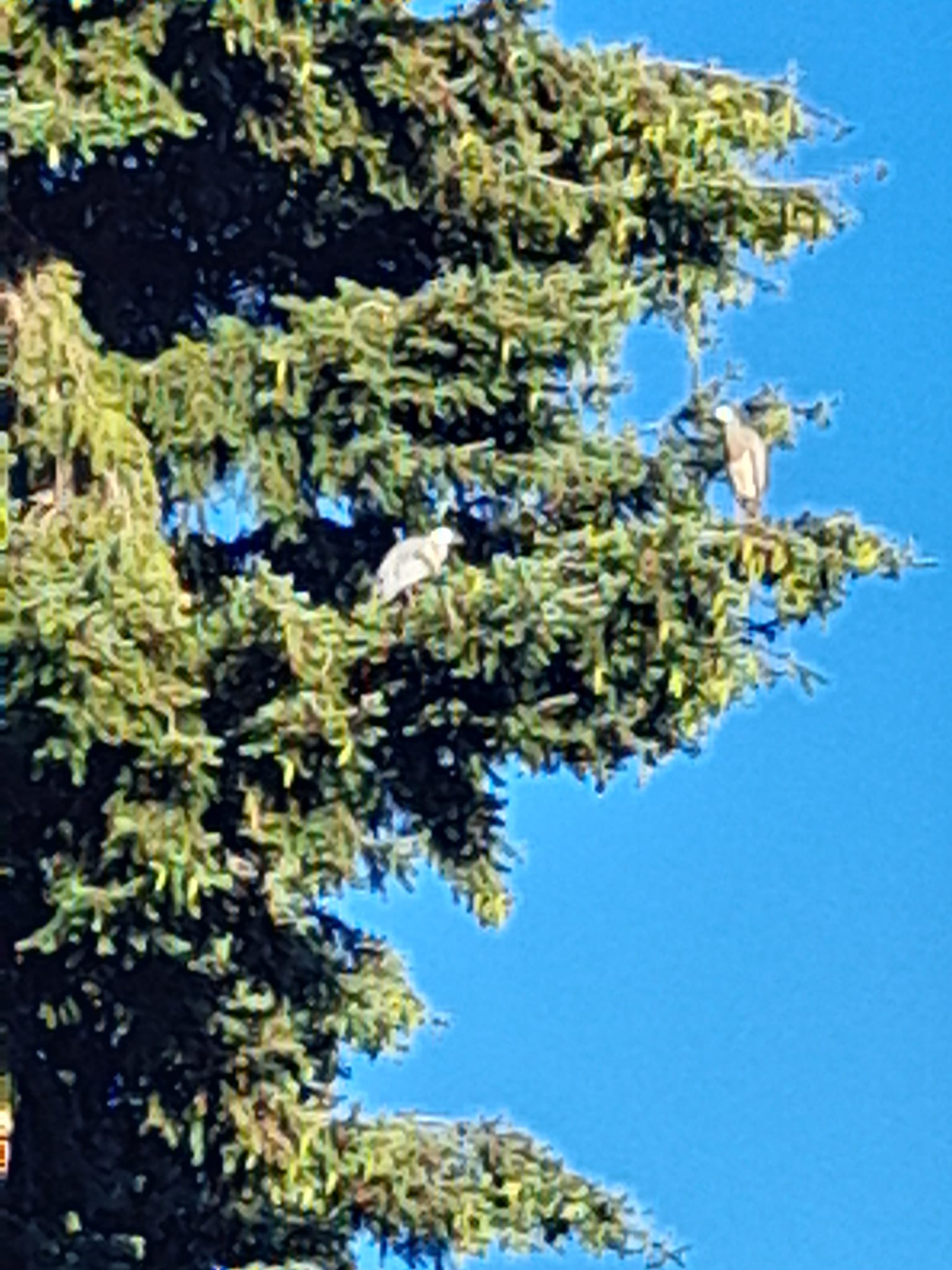
While grey herons are widespread across Europe, Asia, and Africa, they are extremely rare in New Zealand, where only a single confirmed historical record exists from the late nineteenth century.
Because of this, birds resembling grey herons in New Zealand are often related species such as the white-faced heron or reef heron, both of which belong to the broader matuku group of native herons. These species are more commonly encountered across New Zealand wetlands and coastlines, often sharing similar ecological roles and graceful behaviour.
If Amuri Manor hosts herons, they are most likely members of this local heron family, making their presence a valuable reminder of the health and biodiversity of the surrounding environment.
Cultural and Ecological Significance
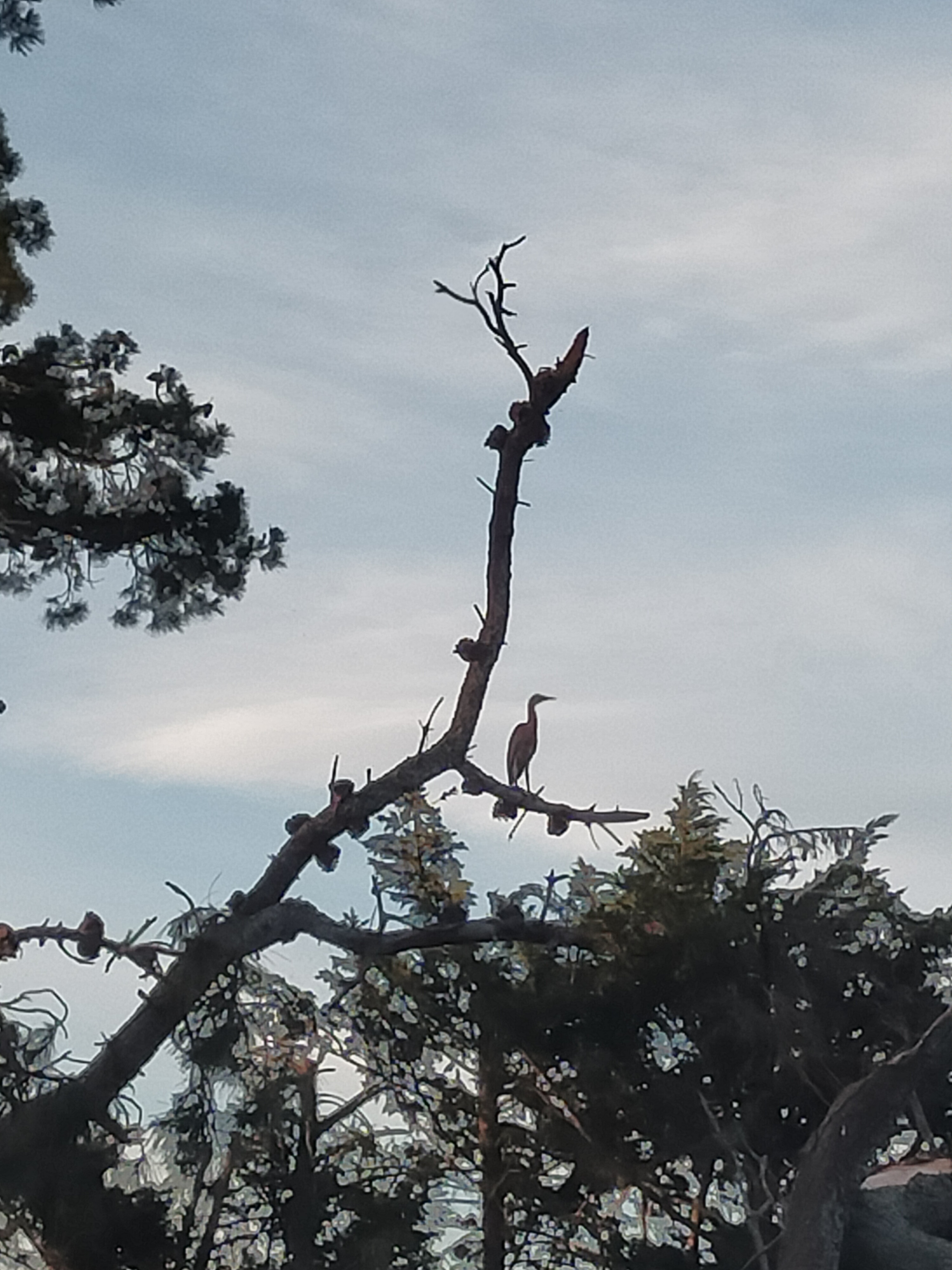
Herons hold significance within Māori perspectives of the natural world, often associated with wetlands, patience, observation, and guardianship of water ecosystems. Their presence typically indicates a healthy balance between water, fish populations, and surrounding vegetation.
Ecologically, herons function as top predators in wetland food webs, helping regulate fish and aquatic invertebrate populations and acting as indicators of water quality and ecosystem stability.
Living Alongside Herons at Amuri Manor
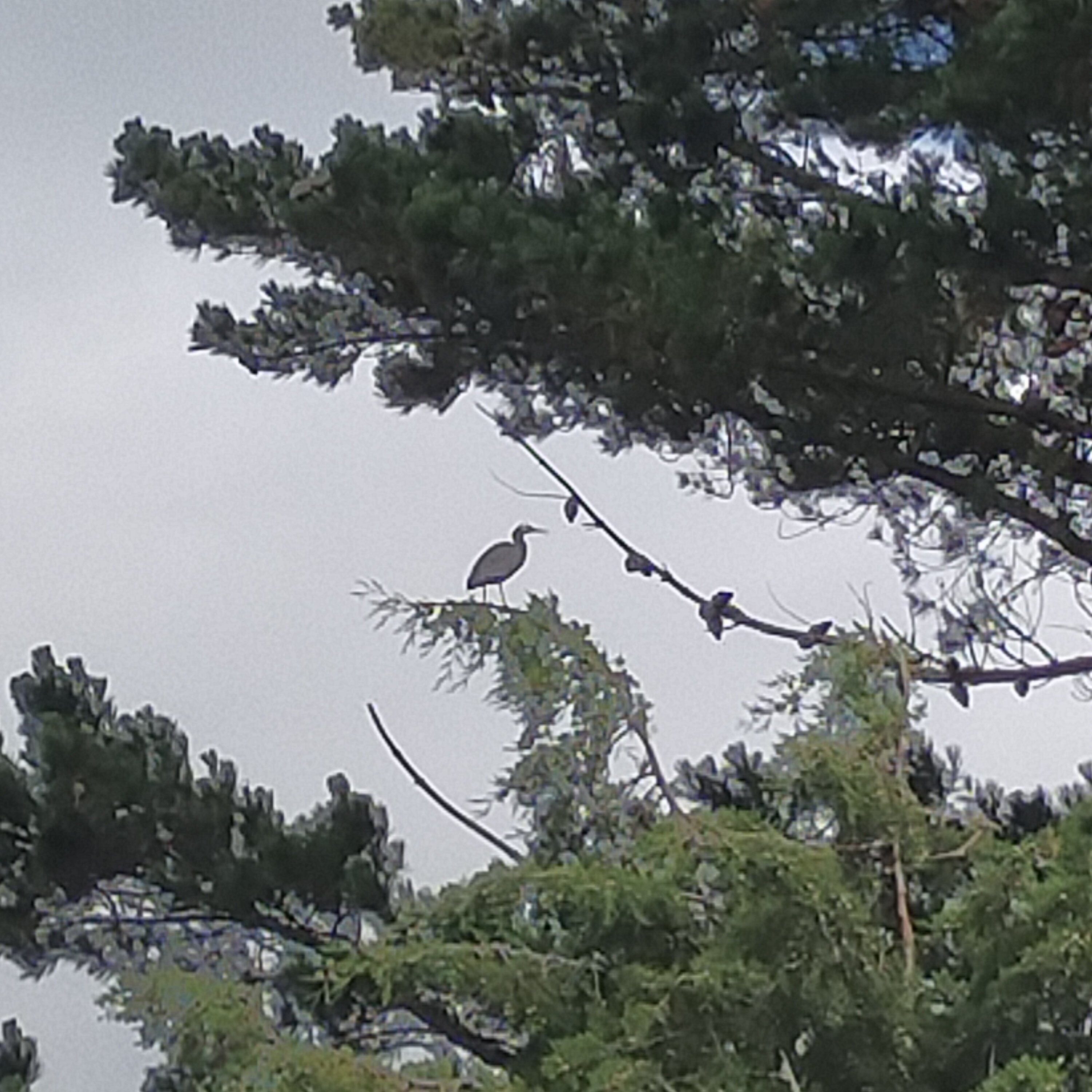
The presence of herons on the Amuri Manor grounds suggests a thriving natural environment, with sufficient food sources and safe resting places. Guests fortunate enough to observe these birds may notice:
- Slow, deliberate stalking along pond or stream edges
- Periods of statue-like stillness while hunting – especialy on the tips of the Douglas fir or other tall trees on the property
- Graceful low flight across waterways
- Occasional (usually annouce thier arrival ‘home’) harsh croaking calls at dusk or when disturbed
Maintaining clean waterways, protecting shoreline vegetation, and minimising disturbance are key factors in supporting these birds and encouraging them to remain part of the local ecosystem.
A Symbol of Quiet Majesty
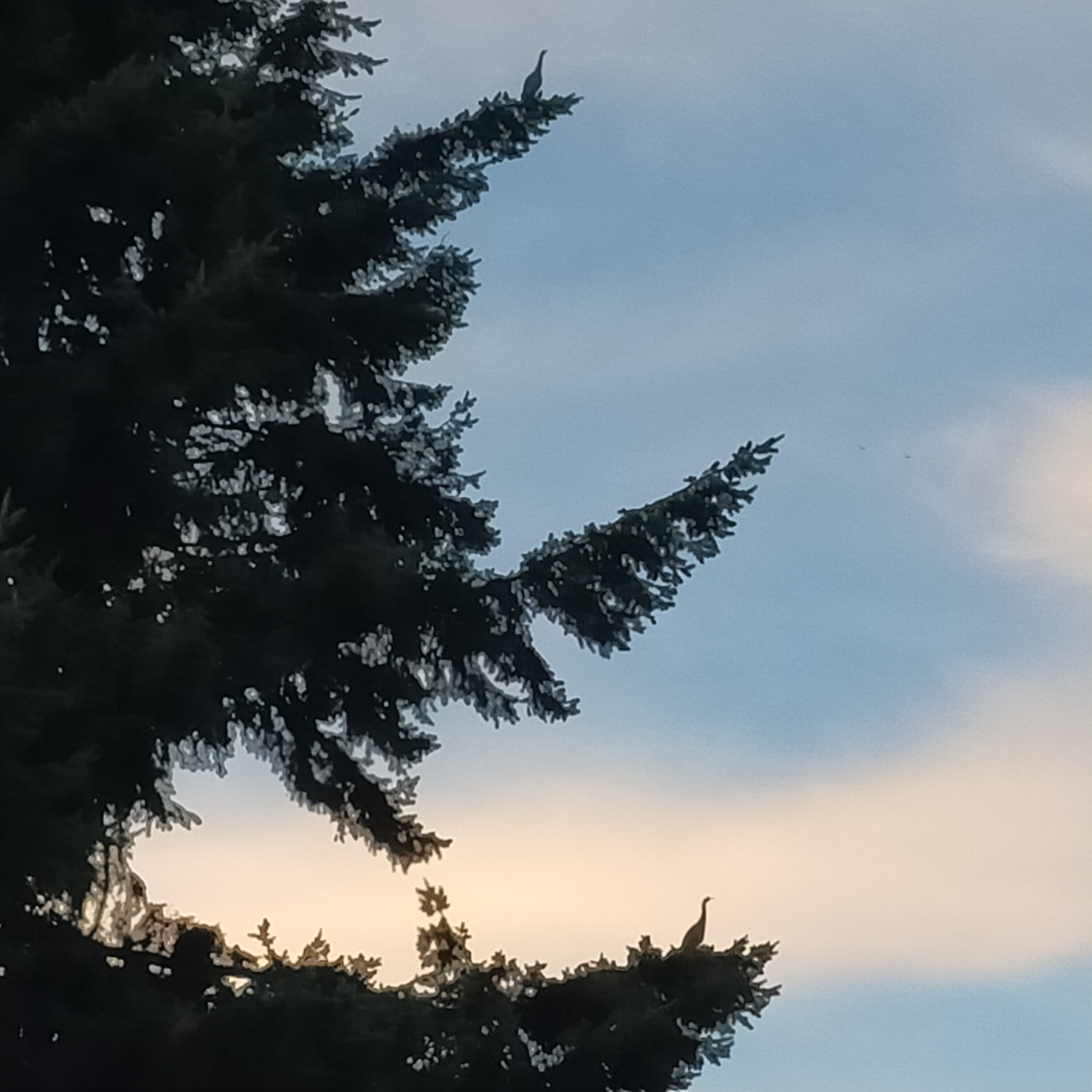
The Makutu Moana — whether referring specifically to the grey heron or its close New Zealand relatives — embodies stillness, watchfulness, and natural balance. Its presence at Amuri Manor offers more than wildlife interest; it provides a living connection to the rhythms of water, land, and sky that define the Amuri landscape.
For visitors, catching sight of one standing silently on the tip of a branch often becomes a lasting memory — a reminder that even in carefully maintained grounds, nature continues its ancient and beautiful work.
 Amuri Manor – Boutique Country Accommodation | Historic 1922 Hospital, North Canterbury